
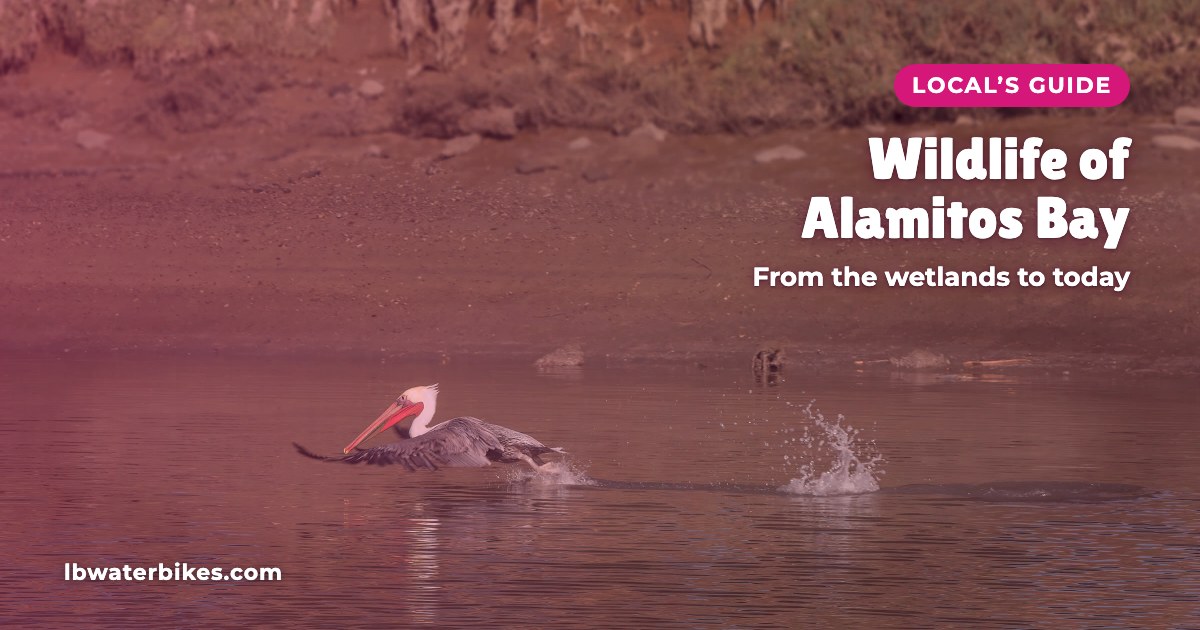
Alamitos Bay is a busy boating harbor, but it is also a working piece of nature. Before the marinas and seawalls, this was part of a huge coastal marsh where the San Gabriel River met the ocean. Here is what lived here then, what is protected now, and what you might spot in the bay today.
Before the bay: the Los Cerritos Wetlands
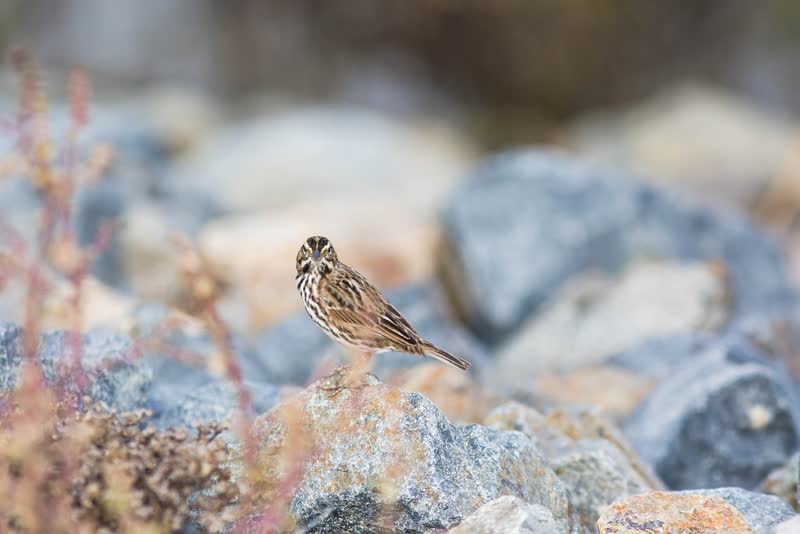
The Los Cerritos Wetlands once covered roughly 2,400 acres of marsh along the lower San Gabriel River. Over the last century, dredging, landfill and development reshaped the area, and Naples itself was built on marshland. About 500 acres of the wetlands remain along the bay’s edge. Marsh plants like pickleweed, saltgrass and alkali heath still grow there, and the pickleweed is where the endangered Belding’s savannah sparrow nests.
The bay’s nature reserves
Jack Dunster Marine Biological Reserve. Tucked beside the rowing center at Marine Stadium, on the Los Cerritos Channel, this small city reserve covers 2.7 acres: 1.5 acres of land and 1.2 acres of shallow water. It was built as a mix of habitats, including coastal sage, a constructed tidal marsh, mudflats, rocky intertidal and sandy bottom, and a path leads to two floating observation platforms where you can look into the water. It is also where scientists and volunteers are bringing back the Olympia oyster, California’s only native oyster, on a restored oyster bed (more on that in Olympia oysters, the bay’s native oyster below).
Los Cerritos Wetlands. On the bay’s inland edge, public agencies now own about 255 acres of the remaining wetlands. Restoration began in 2009, and in 2023 plans were announced to restore 54 acres as a first phase, backed by a $31.8 million grant from the California State Coastal Conservancy.
Colorado Lagoon. Connected to the bay through Marine Stadium, the lagoon was cleaned up and reopened in 2012, and its water quality grade rose from an F in 2007 to an A in 2014. A second phase will open a channel to reconnect it to Marine Stadium in place of an old underground culvert.
In the water
Seals and sea lions
Harbor seals and California sea lions are common along the Southern California coast, where they haul out on piers and buoys, and they do swim into Alamitos Bay itself. Our crew still sees Sammy the Seal and his friends in the bay every week, so keep an eye out for a whiskered head popping up near the docks. An easy way to tell seals and sea lions apart: harbor seals have no ear flaps, while sea lions have small visible ears.
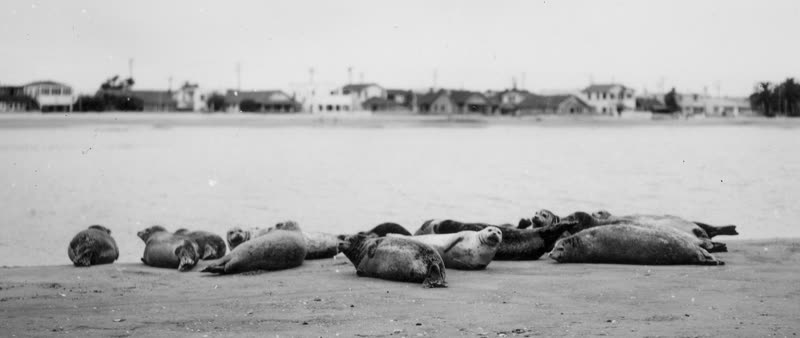
Seals have a long history here. In the 1920s a colony lived on the sand spit at the mouth of Alamitos Bay. When fishermen complained, the city talked about moving them to Lake Elsinore, until May 25, 1925, when Governor Richardson signed Assembly Bill 677 protecting the seals of Alamitos Bay.
Dolphins
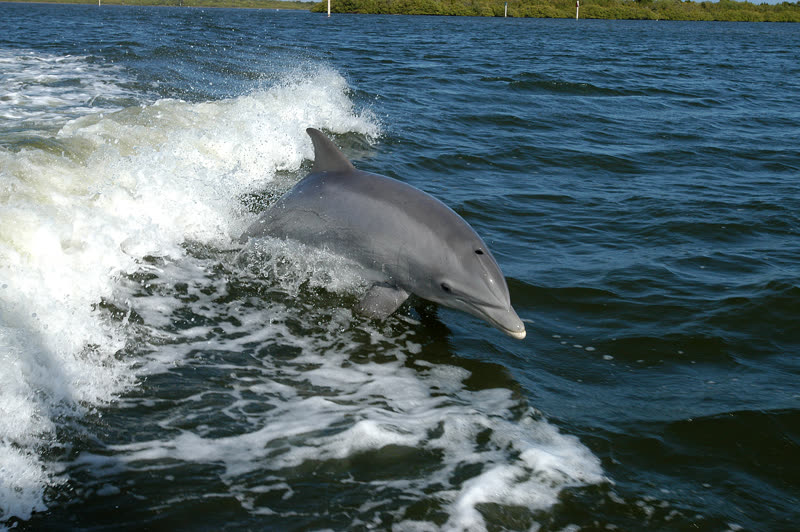
Bottlenose dolphins are seen seasonally at the entrance to Alamitos Bay, and every so often they swim into the bay. Common dolphins and Pacific white-sided dolphins stay mostly in the coastal waters just outside.
Sea turtles: the locals and the visitors
Two kinds of sea turtles have been in the news around Alamitos Bay, and they tell two very different stories.
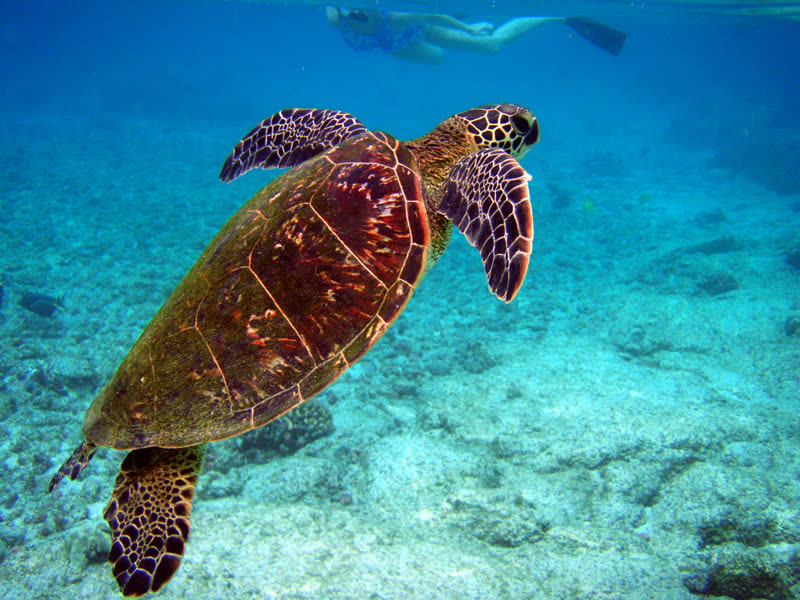
Green sea turtles are the locals. They live here all year. Just outside the bay, the mouth of the San Gabriel River is home to the northernmost resident population of green sea turtles in the eastern Pacific. A NOAA scientist has called it the most dense green turtle population in Southern California, drawn by warm water, algae on the rock piles and shelter under the bridges (LAist). Because Alamitos Bay has healthy eelgrass beds, green turtles may feed in the bay too, and they have been sighted in and around it many times. If you see a turtle in or near the bay, it is almost certainly a green turtle. If a small round head pops up for air, give it plenty of room.
So where do the baby turtles come from? Not from here. Green turtles do not nest in California. Ours hatch more than 1,000 miles south, on beaches in Mexico like Playa Colola in Michoacán, and the young turtles make their way north to feeding grounds like the San Gabriel River. When they grow up, they swim back to Mexico to mate and nest, then return to feed. That nesting population has made a big comeback: in the 1980s about 250 turtles were counted on Playa Colola over a whole nesting season, and in 2015 more than 1,000 were seen there in a single night (Long Beach Current, NOAA Fisheries).
Olive ridley sea turtles are the visitors. They are a smaller, tropical species that normally nests on beaches in Mexico and Central America. So it was big news in September 2026 when two olive ridleys came ashore and nested on nearby Seal Beach and Huntington Beach, the first sea turtle nests ever documented on the U.S. West Coast (NOAA Fisheries). Their eggs are now in the care of the Aquarium of the Pacific; more on that in the Aquarium section below.
Two other species, loggerheads and leatherbacks, also pass through Southern California waters, but they stay far offshore and are rarely seen from the coast (NOAA Fisheries).
Seahorses
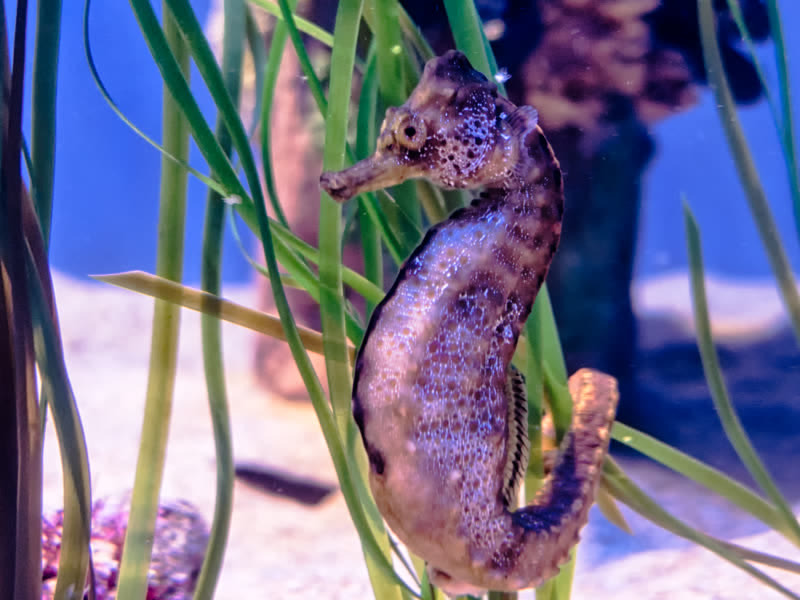
One of the bay’s best surprises is the Pacific seahorse. The species usually lives far to the south and is hardly ever found north of San Diego, so it made the news in 2016 when diver Roger Hanson filmed one in shallow water in Alamitos Bay. He kept diving, and by 2019 he and fellow divers were watching over a small colony of Pacific seahorses in the bay, even building an underwater habitat of sticks, eelgrass and palm fronds for them. Warmer water from El Niño years is one likely reason they turned up this far north.
Moon jellies
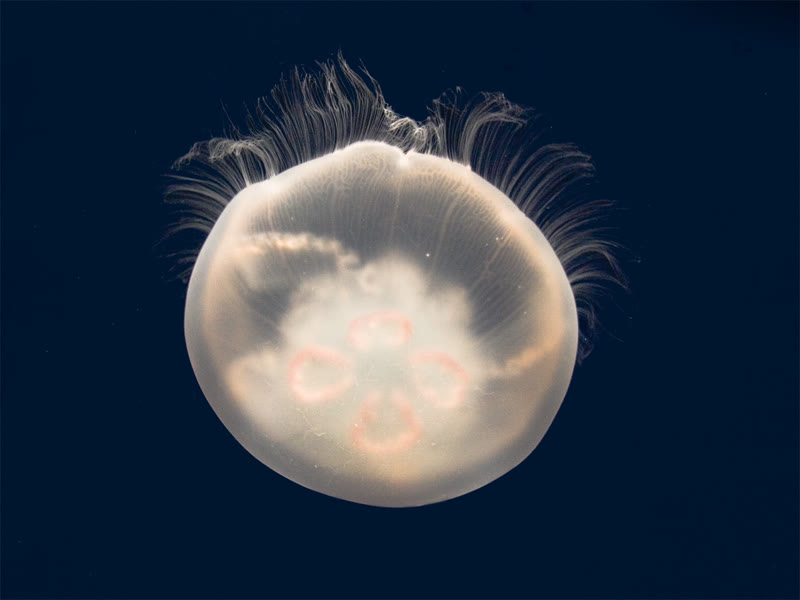
If you spot a clear, saucer-shaped jelly drifting just under the surface, it is almost certainly a moon jelly (genus Aurelia). Look for the four rings in the middle of the bell: those are its reproductive organs, and they are the easiest way to recognize one. Moon jellies are about 95% water, grow from 2 to 16 inches across, and eat tiny plankton, mostly drifting wherever the current takes them.
In Alamitos Bay they are a warm-season sight. Local reports place them in the Spinnaker Bay area of the bay, where they are usually around through the summer, and in June 2021 a large swarm of moon jellies was reported in Spinnaker Bay. Their numbers come and go: some summers bring big blooms, other times you will only see a few. Spinnaker Bay is off the hydrobike route, so if you want to go looking for moon jellies, a kayak is the way to get there.
Are they dangerous? Moon jellies do have stinging cells, but the sting is mild, and most people have little or no reaction. Still, enjoy them with your eyes and keep your hands out of the water around them. Best tip for spotting them: pick a calm, sunny day and look straight down into the water near docks and seawalls, where they are easiest to see when the surface is flat. Polarized sunglasses help cut the glare.
Olympia oysters, the bay’s native oyster
Alamitos Bay has its own native oyster: the Olympia oyster (Ostrea lurida), California’s only native oyster species. Overharvesting, dredging and pollution left it scarce in Southern California, and in Long Beach its population fell by about 90%. That matters, because a single adult oyster can filter up to 50 gallons of seawater a day, and oyster beds give shelter and a nursery to many other animals.
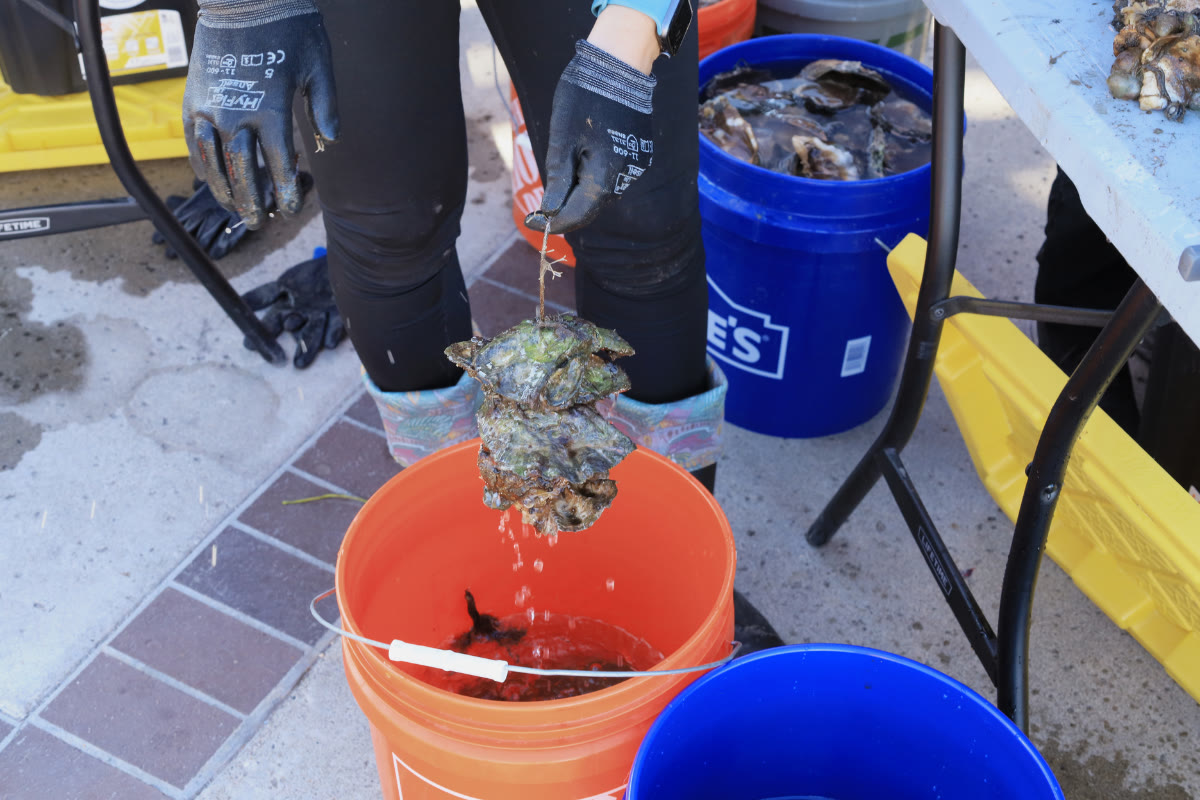
The comeback is happening right in the Jack Dunster Marine Reserve. In 2012, Orange County Coastkeeper, Cal State Fullerton and Cal State Long Beach built a demonstration oyster bed there, laying down recycled oyster shell for baby Olympia oysters to settle on, and the bed was rebuilt with more shell in 2018 and 2019. Local boaters help too: with the Long Beach Yacht Club, volunteers hang strings of recycled restaurant oyster shells from their docks during spawning season. Wild oyster larvae settle on the shells, and the shells are then moved to restoration sites in the reserve.
Is the Olympia oyster protected? We did not find a law that singles out the Olympia oyster itself. But the restored oyster bed is inside the Jack Dunster Marine Biological Reserve, where the City of Long Beach does not allow fishing, so the best rule is simple: leave the oysters and their shell strings alone, wherever you see them.
Fish of the bay
Most of the bay’s fish live near the bottom, on mud, sand and around seawalls and pilings. According to the City of Long Beach’s 2025 study of the bay, the most common include:
- Gobies, like the arrow goby and cheekspot goby, which live in burrows in the mudflats.
- Barred sand bass and spotted sand bass, around rocks, eelgrass and seawalls.
- California halibut and diamond turbot, flatfish that hide on the sandy bottom.
- Staghorn sculpin, a small bottom fish of bays and estuaries.
- Topsmelt and other silversides, small schooling fish that are the most common fish in the open water of the bay.
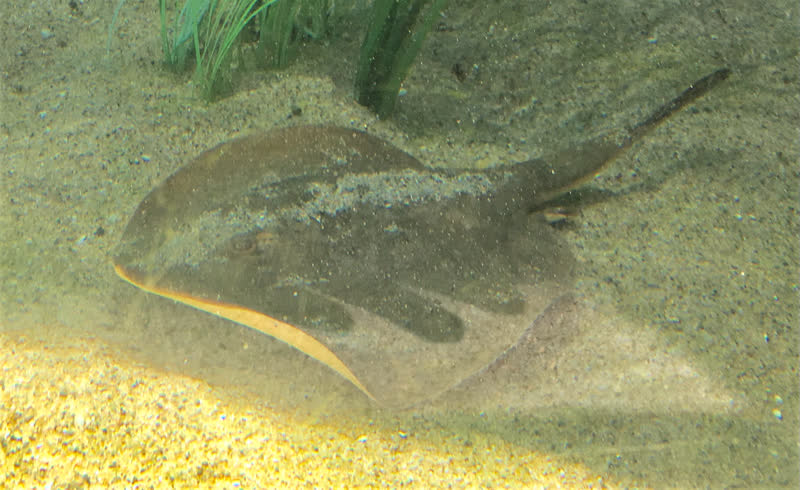
You may also see round stingrays and bat rays gliding over the sandy flats.
Birds of the bay
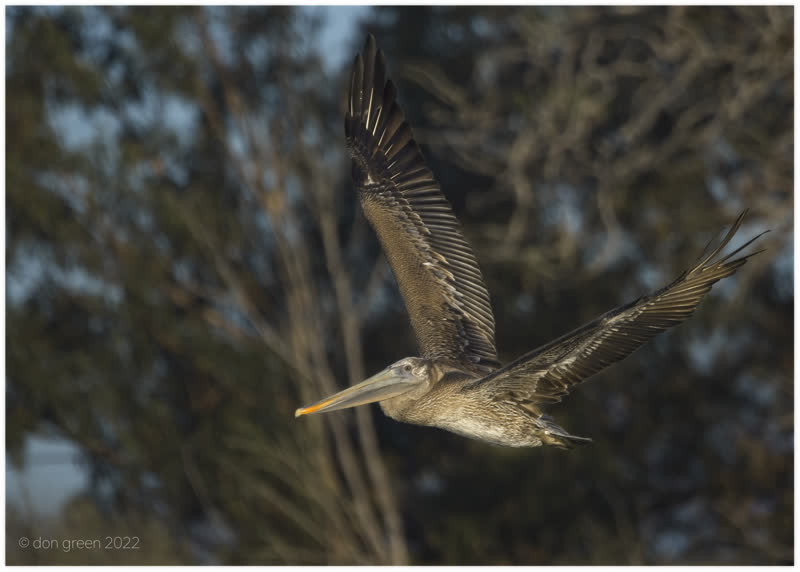
Two endangered birds depend on this area: the Belding’s savannah sparrow and the California least tern. The bay’s eelgrass meadows are important feeding grounds for seabirds like the least tern, which arrives in late April and nests from mid-May to mid-June. California brown pelicans are a common sight diving for fish.
The Aquarium of the Pacific: rescue and conservation next door
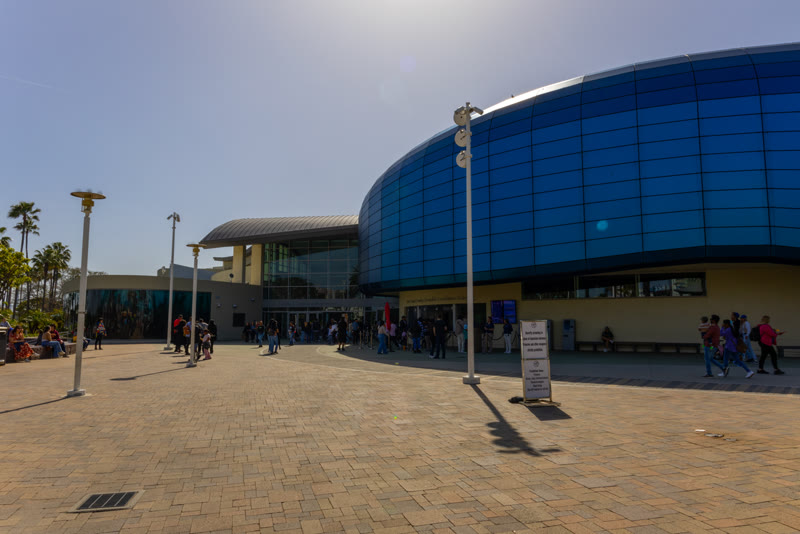
Long Beach’s Aquarium of the Pacific does much more than exhibits. Its staff and volunteers rescue, rehabilitate and help restore many of the same animals you can see around Alamitos Bay. The Aquarium is a nonprofit, and you can support this work by donating to the Aquarium of the Pacific.
The first sea turtle nests on the West Coast. On September 16, 2026, an olive ridley sea turtle was seen digging a nest and laying eggs near Seal Beach, the first sea turtle nesting ever documented on the U.S. West Coast. Two days later, on September 18, and about 8 miles away, a second olive ridley nested near the Huntington Beach Pier. With high surf forecast from tropical storms off Mexico, a team of federal and state scientists and Aquarium animal care staff collected the eggs, between 100 and 200 of them, on September 25 and moved them to the Aquarium in Long Beach. There they are incubating in temperature-controlled containers at the Aquarium’s Molina Animal Care Center. If the eggs are viable, they could hatch in 45 to 60 days, around early November, and the hatchlings are to be released on the beaches where they were laid. NOAA Fisheries asks beachgoers not to disturb nesting turtles, nests or hatchlings, and to report sightings to lifeguards or by calling (562) 506-4315.
Sea turtle rescue. Working with NOAA Fisheries and the U.S. Fish and Wildlife Service, the Aquarium has cared for sick and injured sea turtles since 2000, including green, olive ridley and loggerhead turtles. In January 2026 it opened a new sea turtle rehabilitation area with a pool of about 4,000 gallons, doubling how many turtles it can care for. One local patient: in 2019, a green sea turtle found in the San Gabriel River with a fishing hook lodged in her esophagus had the hook removed at the Aquarium and was released off Seal Beach.
Watching the local green turtles. In 2008, two Aquarium volunteers documented green sea turtles living year-round in the San Gabriel River, next to Alamitos Bay. That grew into a community science monitoring project with the Los Cerritos Wetlands Authority, Tidal Influence and NOAA Fisheries, including a photo ID program that tracks individual turtles.
Birds and oil spills. The Aquarium is a member of the Oiled Wildlife Care Network, and its trained staff helped search beaches and rescue oiled birds and animals after the October 2021 Orange County oil spill. The network also called on Aquarium staff for an elegant tern rescue in the Long Beach harbor in 2021.
Restoring endangered species. Since 2007 the Aquarium has helped breed, raise, release and monitor the endangered white abalone, the first marine invertebrate protected under the Endangered Species Act, as part of a recovery program with NOAA and other partners. It also rescues southern sea otters and runs breeding and restoration work for species like giant sea bass and sunflower sea stars.
Seafood for the Future. The Aquarium’s Seafood for the Future program works with partners across the seafood world on sustainable seafood choices, including responsibly farmed seafood.
Watching wildlife the right way
NOAA Fisheries asks people to stay at least 50 yards from seals and sea lions, both in the water and on shore, which is about half a football field. Never feed marine mammals, and never touch, ride or swim with them. The same goes for turtles and dolphins. Give birds space too, especially during nesting season in late spring.
To learn how the bay itself was built, read our history of Alamitos Bay and Naples Island, and see our guide to things to do on the water and Plan Your Visit.
Featured image: brown pelican by bluesbby (CC BY 2.0), via Wikimedia Commons. Other photos from Wikimedia Commons as credited above: Belding’s savannah sparrow by Melissa McMasters (CC BY 2.0); brown pelican by Don Green / Channel City Camera Club (CC BY 2.0); seals postcard courtesy Orange County Archives (CC BY 2.0); bottlenose dolphin by NASA (public domain); green sea turtle by Brocken Inaglory (CC BY-SA 4.0); Pacific seahorses by Eric Kilby (CC BY-SA 2.0); round stingray by Coughdrop12 (CC BY-SA 4.0); harbor seal by the Bureau of Land Management (public domain); moon jelly by Dante Alighieri (CC BY-SA 3.0); Olympia oysters by VIUDeepBay (CC BY 2.0); Aquarium of the Pacific by Coughdrop12 (CC BY-SA 4.0).
Sources
City of Long Beach: Alamitos Bay Water Quality Enhancement Project Draft EIR, Section 3.4 Aquatic Biological Resources (September 2025); City of Long Beach: Jack Dunster Marine Biological Reserve; Massey et al. 2023: Monitoring green sea turtles in the San Gabriel River; LAist: Green sea turtles are thriving in the San Gabriel River (Sept 2023); CBS Los Angeles: Rare seahorse caught on video in waters off Long Beach (Feb 2016); Los Angeles Times: A retired teacher found some seahorses off Long Beach (July 2019); ABC7: Seahorse whisperer builds underwater sanctuary in Long Beach (Dec 2019); Claudine Burnett, Beachcomber: Move Over Seals, the Olympics Are Coming (March 2025); NOAA Fisheries: First-ever olive ridley sea turtle nested in California (Sept 2026); Long Beach Post: Rare sea turtles laid eggs here for the first time (Sept 2026); ABC7: Olive ridley sea turtle eggs transferred to Aquarium of the Pacific (Sept 2026); Aquarium of the Pacific: Sea Turtle Rescue and Rehabilitation; Aquarium of the Pacific: New sea turtle rehabilitation area (Jan 2026); Aquarium of the Pacific: Southern California Sea Turtle Monitoring Project; Patch: Endangered sea turtle released after rescue (Oct 2019); Aquarium of the Pacific: Staff helped rescue animals affected by the oil spill (2021); Aquarium of the Pacific: White Abalone; Aquarium of the Pacific: Conservation; Aquarium of the Pacific: Seafood for the Future; Aquarium of the Pacific: Moon Jelly; Long Beach Current: Wild jellyfish minutes from campus (April 2008); JellyWatch: Moon jellies, Spinnaker Bay (June 2021); Wikipedia: Aurelia aurita; Orange County Coastkeeper: Living Shorelines; Southern California Wetlands Recovery Project: Olympia Oyster Restoration in the Jack Dunster Marine Reserve; ABC7: Help restore native oysters in Long Beach (Feb 2021); Long Beach Post: Boat owners continue Olympia oyster restoration (Sept 2022); City of Long Beach: Ordinance on fishing restrictions incl. Jack Dunster reserve (2004); Wikipedia: Los Cerritos Wetlands; Wikipedia: Colorado Lagoon; Wikipedia: California least tern; NOAA Fisheries: Marine Life Viewing Guidelines.